Coding & Marking Mistakes Manufacturers Make on Sustainable Packaging
(and How to Avoid Them)
Sustainable packaging is becoming the new standard across food, beverage, chemical, and consumer goods industries. Recyclable materials, compostable substrates, and reduced-waste packaging formats are now key priorities for manufacturers looking to reduce environmental impact and meet customer expectations.
However, many manufacturers discover an unexpected challenge once sustainable materials are introduced into production: coding and marking performance can change dramatically.
Packaging substrates behave differently, inks may not adhere as expected, and line settings that worked perfectly before may suddenly cause smudging, unreadable codes, or increased rejects.Without the right adjustments, these issues can lead to production downtime, packaging waste, and compliance risks.
Understanding the common coding and marking mistakes associated with sustainable packaging can help manufacturers adapt their systems while maintaining efficiency.
Why Sustainable Packaging Changes Coding & Marking Performance
Traditional packaging materials were designed with printing and coding compatibility in mind. Sustainable alternatives, however, often prioritise recyclability or reduced environmental impact over print surface consistency.
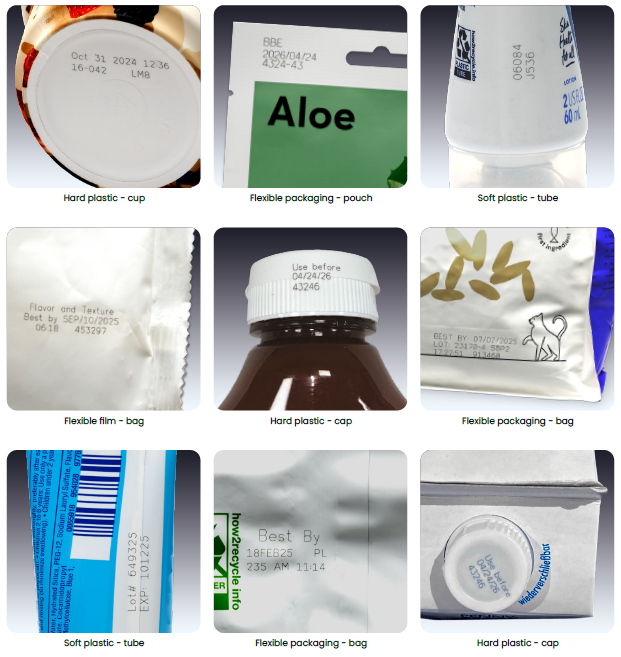
As a result, sustainable substrates can behave differently when exposed to coding technologies such as inkjet, laser, or thermal transfer.
Common factors affecting coding performance include:
- Different surface textures and coatings
- Higher levels of recycled content
- Increased material porosity
- Variations in drying or curing time
- Lighter or thinner packaging structures
These changes mean that systems optimised for traditional materials may require recalibration to ensure reliable coding and marking.
Common Coding & Marking Mistakes on Sustainable Packaging
- Assuming Existing Settings Will Work on New Materials
One of the most common mistakes is introducing a new sustainable packaging material while keeping the same printer settings.
Recycled substrates or compostable films often require adjustments to:
- Ink type
- Print speed
- Drying time
- Printhead distance
Without these changes, manufacturers may experience smudging, incomplete codes, or poor adhesion. - Not Testing Ink Compatibility with New Substrates
Ink adhesion can vary significantly depending on the packaging material.
For example, recycled plastics or coated paperboard may require specialised inks to ensure durability and readability.
Failing to test compatibility can lead to:
- Codes that rub off during handling
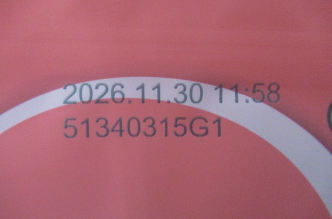
- Poor contrast affecting barcode readability
- Increased product rejects
Proper substrate testing is essential before introducing new packaging materials at production scale. - Overlooking Drying and Cure Time
Sustainable materials sometimes absorb or interact with ink differently than conventional packaging.
This can extend drying times and increase the risk of smearing as products move along the line.
If drying time isn’t considered during integration, production teams may face:
- Increased rework
- Smudged date codes
- Barcode scanning issues
Adjusting line speed or selecting faster-drying inks can often resolve these challenges. - Ignoring Coding Technology Suitability
Different coding technologies perform better on different substrates.
For example:
- Laser marking works well on some paperboard and certain plastics without requiring consumables.
- Thermal transfer printing is ideal for flexible packaging films.
- Continuous inkjet offers versatility across many packaging formats.
Selecting the right coding method for the packaging material can significantly improve reliability and reduce waste. - Treating Sustainable Packaging as a Simple Material Swap
Switching to sustainable packaging is rarely as simple as replacing one material with another.
It often requires reviewing multiple elements of the packaging line, including:
- Coding technology
- Labelling systems
- Integration points
- Line speed and handling
Manufacturers who approach sustainable packaging as a broader production change are more likely to maintain consistent performance.
How Manufacturers Can Adapt Coding Systems for Sustainable Packaging
Successfully transitioning to sustainable packaging requires a proactive approach.
Leading manufacturers typically focus on:
- Substrate testing before full-scale rollout
Testing helps identify compatibility issues early and prevents costly disruptions. - Reviewing coding technology suitability
Different materials may benefit from alternative marking technologies. - Adjusting line settings and print parameters
Small changes in speed, print distance, or drying time can significantly improve results. - Working with experienced integration partners
Expert guidance helps ensure packaging changes do not disrupt production efficiency.
Sustainability and Efficiency Can Work Together
Sustainability initiatives should not come at the expense of operational performance.
With the right planning and technical adjustments, manufacturers can successfully introduce recyclable or eco-friendly packaging while maintaining:
- Reliable coding and marking
- Production throughput
- Product traceability and compliance
- Reduced packaging waste
The key is ensuring that coding and marking systems are optimised for the materials being used.
Supporting Sustainable Packaging Transitions
As sustainable packaging continues to evolve, manufacturers need solutions that adapt alongside changing materials and production demands.
At ALDUS™ Tronics, we work with manufacturers across Australia, New Zealand, and the United States to ensure labelling, coding, and marking systems perform reliably on modern packaging substrates.
Our focus is helping production teams maintain accuracy, efficiency, and compliance while supporting broader sustainability goals.
👉 If your organisation is introducing sustainable packaging materials, our team can help assess your current coding and marking setup and recommend adjustments that protect production reliability.
FAQ
- Why does sustainable packaging affect coding and marking?
Sustainable packaging materials often contain recycled content or alternative coatings that change how inks adhere and how codes dry. This can affect print clarity and durability if coding systems are not adjusted. - What coding technologies work best for sustainable packaging?
Continuous inkjet, laser marking, and thermal transfer printing can all work with sustainable materials, depending on the substrate type and production requirements. - Can coding errors increase waste on sustainable packaging lines?
Yes. Poor adhesion or unreadable codes can lead to rejected packaging, rework, or compliance issues, increasing waste and reducing production efficiency. - What are the most common coding and marking challenges with sustainable packaging?
Sustainable packaging materials can behave differently to traditional substrates, which can affect coding and marking performance on production lines. Recycled materials, alternative coatings, and lighter packaging structures can change how inks adhere and how quickly they dry.
Some of the most common challenges manufacturers encounter include:
Production Impact
Solution
Poor Ink Adhesion
Sustainable Packaging Challenge
Smudged or unreadable codes
Adjust ink formulation or printing parameters
Longer Drying Time
Production slowdowns or smearing
Modify line speed or use faster-drying inks
Surface Variability
Inconsistent print quality
Conduct substrate testing before rollout
By identifying these challenges early and adjusting coding and marking systems accordingly, manufacturers can maintain reliable production while still meeting sustainability goals.




.svg)

