


In regulated, high‑mix, and high‑speed environments, industrial packaging marking and coding systems are no longer a “set and forget” decision. The wrong technology can create rework, compliance risks, and unplanned downtime.
Below is a criteria‑led, skimmable guide mapping the three most common technologies — thermal label printers, inkjet marking systems, and laser marking systems — to pharmaceutical, nutraceutical, cold‑chain food, and short‑run packaging needs.
When evaluating any coding or marking system, start with these operational questions:
With those answers in mind, here’s where each technology fits best.
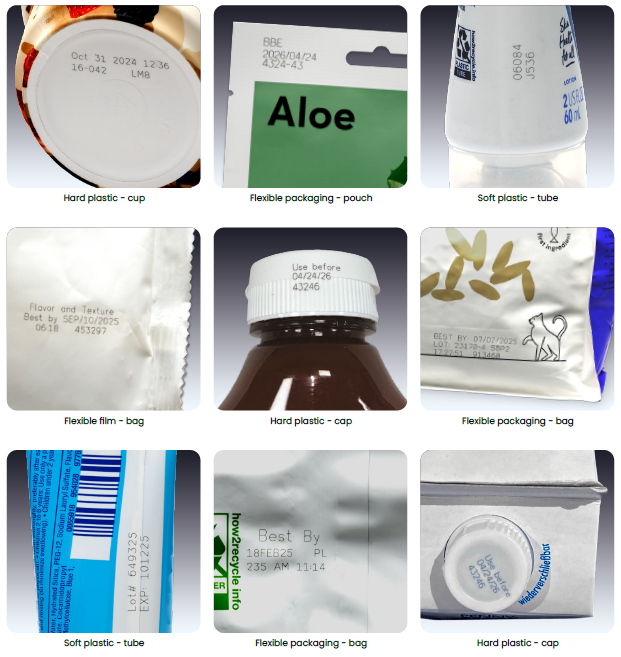
Best for: Regulated industries with high data accuracy requirements
Thermal label printers for packaging lines are the preferred choice when accuracy, readability, and validation matter most.
Ideal applications include:
.jpg)
Best for: High‑mix packaging with frequent changeovers
Inkjet marking systems for variable data coding are highly adaptable and work across a broad range of packaging formats.
Common use cases:

Best for: High‑volume lines seeking minimal consumables
Laser marking systems for high‑speed carton coding are designed for continuous operation on fast packaging lines.
Typical applications include:
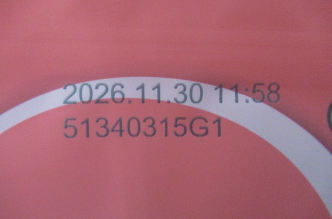
Primary priorities: compliance, traceability, legibility
Best options:
Inkjet can support primary packaging but typically plays a secondary role in validated environments.
Primary priorities: durability, readability in cold and wet environments
Best options:
Laser is less common unless carton materials are uniform and dry.
Primary priorities: flexibility, speed of changeover, minimal downtime
Best options:
Laser is generally better suited to longer, stable runs.
Choosing the right industrial packaging marking and coding system directly affects:
This is not just an equipment decision — it’s an operational one.
As a trusted partner to Australian manufacturers, ALDUS™ Tronics helps packaging engineering and maintenance teams:
The right system today prevents costly compromises tomorrow.
This guide supports early decision‑making. The next step is mapping your substrates, speeds, compliance needs, and changeover frequency to a system configuration that works on the factory floor — not just on paper.
.svg)

