

Your guide to diagnosing and fixing the most common
label applicator problems, fast.
Even the most reliable label applicators need occasional adjustment. When issues appear, they typically affect accuracy, speed, and line efficiency, three things no production manager wants to compromise.
The good news?
Most labelling problems have simple, fast fixes that operators can resolve without shutting down the entire line. Below are the five most common label applicator issues, why they happen, and the quickest way to correct them, based on Aldus Tronics decades of automation and labelling expertise.

The most common issue and often the easiest to fix.
Why it happens:
Quick Fix:
Pro Tip:
If misalignment keeps recurring, the root cause is almost always sensor calibration or a worn mechanical component.

When labels don't lay flat, they don't look professional and can fail inspection
Why it happens:
Quick Fix:
Pro Tip:
If labels wrinkle in the same place every time, check the peel plate angle. A small adjustment fixes most issues.

If your label roll isn't feeding correctly, production slows instantly
Why it happens:
Quick Fix:
Pro Tip:
If the line “double-feeds,” slow the speed so the sensor can properly detect each label gap.
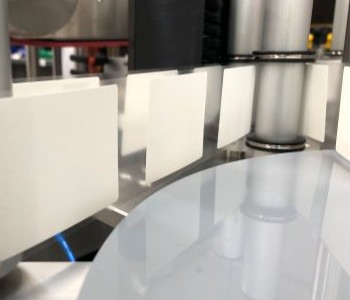
Jams not only slow production, but they can also damage labels and machine components
Why it happens:
Quick Fix:
Pro Tip:
Switching to high-quality labels with consistent adhesive reduces jamming by up to 80% in many applications.

Sensors are the heart of label placement accuracy, but they need proper care.
Why it happens:
Quick Fix:
Pro Tip:
If your labeller behaves unpredictably, 90% of the time it’s a sensor calibration issue.
Preventive maintenance is the most cost-effective way to protect your production line.
Routine servicing helps you:
Aldus Tronics Service technicians can evaluate your system, replace worn components, recalibrate sensors, and ensure your equipment performs like new.
These five issues represent the majority of labelling line problems operators experience daily. The good news? Nearly all of them can be diagnosed and corrected quickly when you know where to look. But if issues keep returning, that’s a sign your equipment needs a deeper inspection, or that your line has outgrown its current labelling setup.

If you want expert help troubleshooting your labelling equipment, or if you’d like to schedule preventive maintenance Aldus Tronics is here to support your production line.
Contact Aldus Tronics’ Service Team today to diagnose issues, boost performance, and keep your line running without interruption.
.svg)

